Blog

Uncategorized

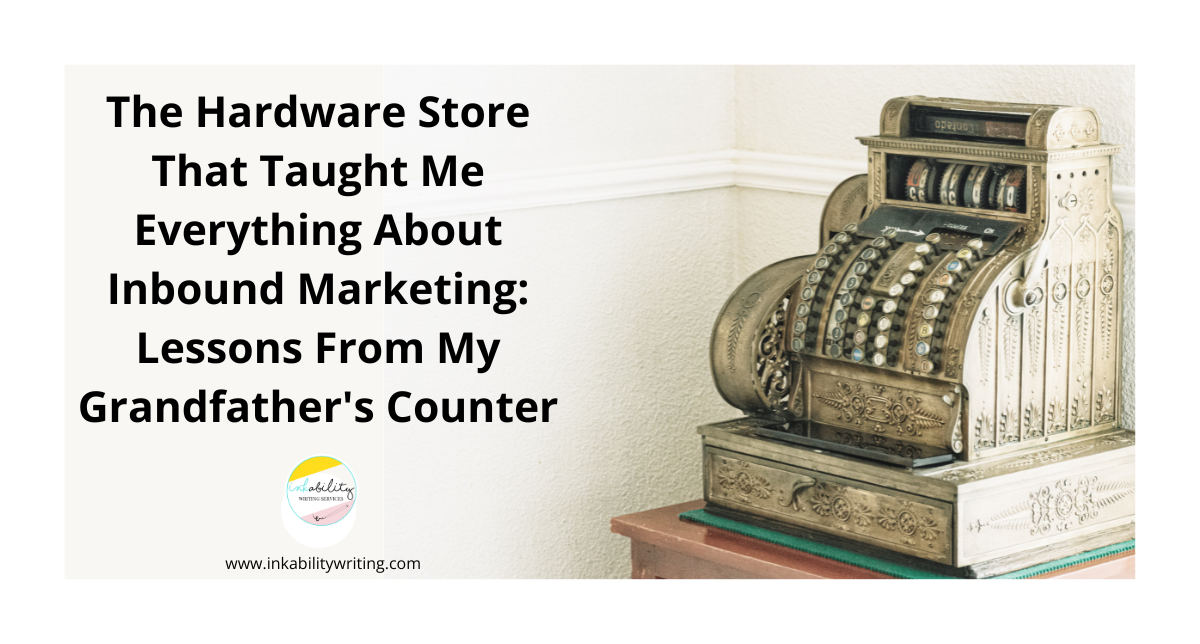
The Hardware Store That Taught Me Everything About Inbound Marketing: Lessons From My Grandfather’s Counter

In the eras before digital transformation, before social media algorithms, and before content marketing became a buzzword, my grandfather Jack ran a small hardware store that embodied everything we now celebrate as inbound marketing. His approach wasn’t driven by HubSpot statistics or marketing automation—it was powered by something far more fundamental: genuine human connection and an unwavering commitment to serving his community.
The Art of Knowing Your Audience

Long before buyer personas became a marketing staple, my grandfather mastered the art of understanding his customers’ needs. His method wasn’t based on data analytics or market research—it was rooted in countless conversations across his store counter. He listened intently to every customer who walked through his doors, creating mental profiles of their needs, preferences, and pain points.

When he discovered that many of his customers used Toro lawn equipment, he didn’t just log this information into a CRM system—he transformed his store’s layout to include a dedicated Toro parts section. This wasn’t merely inventory management; it was content creation in its most physical form, providing solutions to his customers’ specific needs.

Creating Solutions Before Problems Arise

Modern inbound marketing preaches the gospel of providing value before asking for anything in return. My grandfather’s approach to business was the embodiment of this principle. When he realized no local service provider could repair lawn equipment, he didn’t see a problem—he saw an opportunity to provide value. By bringing my uncle in to handle repairs and blade sharpening, he created what we’d now call a “full-service content hub,” addressing every aspect of his customers’ lawn care journey.

The Original Social Media Strategy

“Hi boss!” was his signature greeting—a personal touch that made every customer feel valued and important. In today’s terms, this would be equivalent to personalized social media engagement. He didn’t need LinkedIn or Facebook to network; his authentic interactions created a web of relationships throughout the community that proved more powerful than any digital algorithm.

Content Distribution Channels, Old School Style

His marketing “content” took many forms:

  • A coffee station by the register for early-morning traders (today’s equivalent of valuable free content)
  • Newspaper advertisements (traditional content marketing)
  • Business cards distributed at every opportunity (networking content)
  • Store-branded jackets worn by staff (branded content)
  • Local sports team sponsorships (community content marketing)
  • Window screen repair services (solution-based content)

Each of these elements served the same purpose as modern inbound marketing: to attract, engage, and delight customers while building lasting relationships.
The Power of Customer Success

Today’s marketers talk about the “flywheel” approach, where customer success drives business growth. My grandfather’s store was a perfect example of this concept in action. By remembering customers’ previous purchases and proactively ordering items they might need, he created what we now call a “customer success program.” Each satisfied customer became a walking advertisement for his store, leading to the familiar calls of “Hey Jack!” wherever he went.

Building Community Before It Was Cool

Content marketing today emphasizes building communities around brands. My grandfather’s store became a community pillar not through carefully crafted social media campaigns, but through authentic community engagement. His store wasn’t just a place to buy hardware—it was a community hub where relationships were built and maintained.

Lessons for Modern Marketers

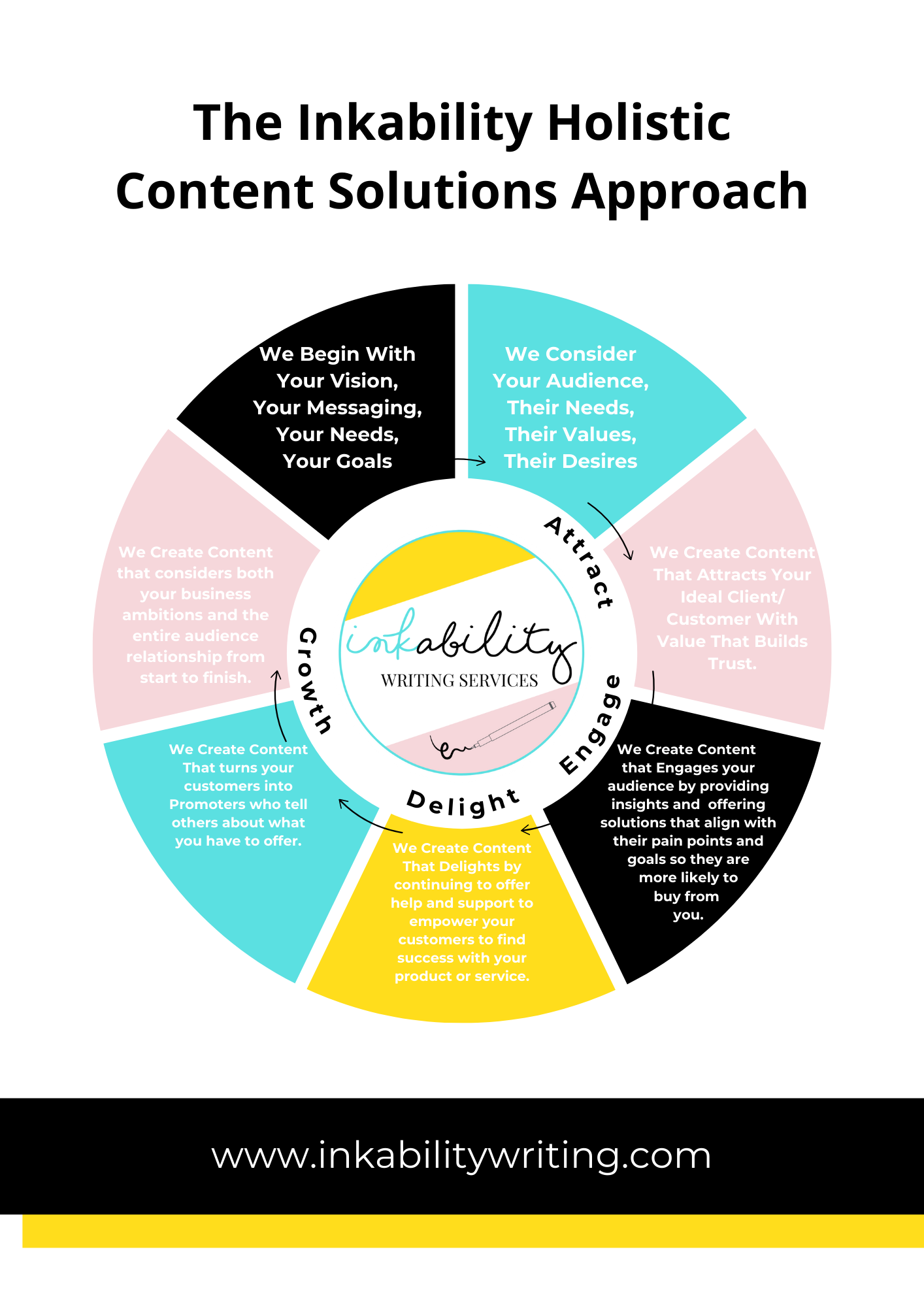
The principles that made my grandfather’s hardware store successful are the same ones that drive effective inbound marketing today:

ATTRACT

  • Listen intently to your audience’s needs – Understanding what brings customers to you
  • Create valuable resources that serve your community – Offering solutions that draw people in
  • Make your business a valuable part of people’s daily lives – Becoming a destination people naturally seek out

ENGAGE

  • Provide solutions before they’re asked for – Converting interest into lasting relationships
  • Build authentic relationships – Creating meaningful two-way conversations
  • Remember personal details and follow up thoughtfully – Personalizing each interaction

DELIGHT

  • Engage with your community meaningfully – Going above and beyond expectations
  • Remember personal details and follow up thoughtfully – Creating memorable experiences
  • Make your business a valuable part of people’s daily lives – Becoming indispensable to your customers

Notice how some principles appear in multiple stages – this reflects the cyclical nature of inbound marketing, where delighting existing customers naturally attracts new ones through word-of-mouth and reputation building.

The Timeless Truth of Inbound Marketing

While the tools and technologies of marketing have evolved dramatically since my grandfather’s days behind the counter, the fundamental principle remains unchanged: successful marketing is about building genuine relationships and providing real value to your community.

My grandfather’s hardware store might not have had a content calendar or an SEO strategy, but it had something more valuable—a deep understanding that business success comes from putting people first and focusing on their needs. In today’s digital age, as we navigate through marketing automation, social media algorithms, and content strategies, perhaps we could all learn something from the simple wisdom of a small-town hardware store owner who greeted everyone with “Hi boss!” and meant it.

The next time you’re planning your inbound marketing strategy, remember that at its core, it’s not about the platforms or the tools—it’s about people, relationships, and genuine value. Just like my grandfather’s hardware store showed me all those years ago.
Lead Magnets
Uncategorized

The Power of Lead Magnets for Your Business

One of the best ways to capture emails for your list AND add value is to offer Lead Magnets

Lead Magnets

Lead Magnets can be as simple or in-depth as you want them to be. Depending on your business type, you might offer a helpful worksheet, guide, list, or even an Ebook for free to would-be subscribers. I like to think of them as the door that welcomes them into your world.

Lead Magnets are powerful marketing tools because they can showcase your expertise, establish your authority on a topic and help solve a problem for your prospects. 

Once a prospect “opts-in” to your email list, you can nurture the new relationship with an email sequence that continues to delight and educate them on why you can continue to solve their most pressing problems and help them to overcome their challenges. 

A few tips when creating killer a Lead Magnet:

Avoid long, drawn-out copy to get the offer. Don’t make them work too hard or jump through too many hoops for it! Remember- the goal is to HELP THEM, not just build your list. 

Visual, visual, visual! Eye-catching opt-ins are like magnets. Break the information down as simply as possible. Remember, this is FOR THEM, and making the content easily digestible will make it much more appealing to them and encourage them to sign up.

A noticeable CTA. Again, make it easy for them to type in their info and subscribe. A bold button, great call to action, and simple formatting. 

Keep your promise. Solve the problem you say you’re going to solve with said opt-in. Nothing is more frustrating than to sign up for a valuable opt-in, only to realize you’ve been “tricked” into a mediocre printable that isn’t what was promised and now you’re being spammed every day in a never-ending sales pitch. Your prospects deserve more respect than that.

Keep adding value once they are on your list. I promise you– it is not for nothing. If your services or products are good, then people WILL buy them. But NOT if they feel that all they are to you is a dollar sign. 

Examples of useful opt-ins:

  • Checklists
  • Cheatsheets
  • Pdfs of existing posts with valuable information
  • Templates
  • Tool kits
  • Worksheets or workbooks
  • Calendars
  • Tutorials
  • Free courses

A lead magnet that genuinely helps people will lead to business naturally if you continue to nurture a relationship with them. You don’t have to give away ALL your expertise in a free offer for it to be valuable, but it DOES have to be useful. So always, always start with the question: 

“What does my ideal client need and how can I create a free resource that will satisfy that need?”

Do that, and you’ll have subscribers in no time.

Content, WAHM Culture

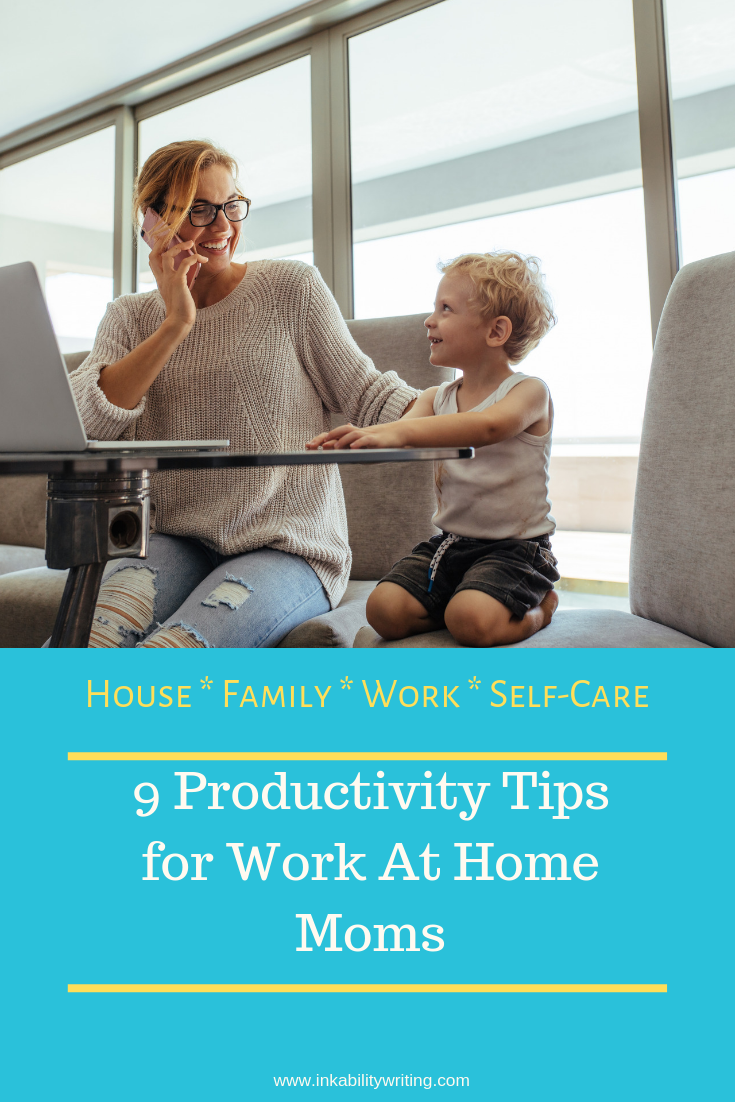
9 Productivity Tips For Moms Who Work at Home

Many work at home moms struggle to manage housework, meal times, caring for their children and their businesses on a daily basis. It can be hard, especially if the children are home all day while you are trying to get business-related tasks finished.

work at home moms

Here’s a few tips that may help ease the chaos and bring more productivity to your day. 

  1. Start by evaluating what is important to you on a personal and professional level. Here are some questions to think about:  Is it important to you to spend quality time with your family every day no matter what? Do you have a fitness routine that you always feel guilty about missing? Are there any spiritual disciplines, such as prayer and meditation that uplift you whenever you practice them? Is there a certain workflow that you are really in tune to? What are the most important household chores that must be done every day in order for you not to feel overwhelmed? What types of meals would you like your family to have on a regular basis- are there shortcuts, like using a crockpot or freeze-ahead meals to make them happen?  Knowing the answers to these questions and more can help you put a plan in place to be your best self in each area of your life and contribute to your productivity. 
  1. Create a list of tasks that must be done every day and weekly to maintain these areas: Spiritual, Physical, Family, Household, Business. This will begin to form your core schedule based on the things that are most important to you. Remember, align these task to your goals. 
  2. Write down everything in a schedule. Everything. Once you have answered the above questions and have an idea of the tasks that are needed in order to reach and maintain those things, begin to fill in your schedule, entering the most important things first. For many WAHMs, this is a game changer because it helps to create the necessary boundaries they need and nurture themselves and their loved ones. Invest in a paper or digital calendar to create your schedule, entering repeat tasks as far in advance as you feel is necessary. Track your progress in 6-week intervals and tweak the schedule as necessary to improve. 
  3. Meal plan. Consider creating a 6-8 week rotating meal plan, complete with shopping lists for each season of the year. This way, your meals never get boring, and shopping becomes an automated task that you no longer have to give your energy to. By creating menus that align with seasons such as Spring and Fall, you can also take advantage of in-season produce and sales. Ways to save even more time in the kitchen include: meal prepping, batch and bulk cooking, utilizing your slow cooker or instant-pot and having whole meals ready to go from the freezer. Many grocery stores now offer online ordering and pick up from their stores, some even deliver directly to your door. Take advantage of these services is shopping is a time-consuming task for you. 
  4. Have a clear housework schedule to follow. Break your household to-do list up into monthly, weekly and daily tasks. This will generate a master household schedule that you can use to cover the keeping of and maintenance of the house. Involve your family and delegate certain chores. Consider minimizing the amount of clutter and actual stuff in your household to make cleaning even more efficient. Brainstorm with your spouse ways that you can work together to keep on top of everything. 
  5. Schedule quality time with your family and stick to it. Make the time to sit down and draw on the sidewalk with your child. Take an extra 30 minutes to talk with your teenager. Schedule a regular date night with the spouse. And do it cell phone-free. Allow yourself downtime on the weekends. 
  6. Schedule non-negotiable business hours. When you work at home, the lines can easily be blurred between home and work. If your spouse is gone during the day, would it be possible for you to work once they can get home and can take over with the kids? If you do need to work during the day, do you have anyone who can come spend time with the kids while you get a couple hours of concentrated work time in? If interruptions are slightly okay while working, can you think of things the kids can do while you are tending to certain tasks that will help you be more efficient in your work? Batch tasks together on certain days. On one day, for example, you could focus on messages and emails, on another, administrative tasks for your business and so on. 
  7. Find a community that provides real support for your journey. Find other WAHMs on social networks through groups or apps that are in the trenches just like you are. Learn from them and lend your encouragement to their road. Sometimes having others who understand us and with whom we find belonging is worth its weight in gold. Having like-minded connections is important to maintaining the right perspective. 
  8. If you are in a position to do so, hire help if needed. Something as simple as hiring a lawn care service can lift a huge burden. A mother’s helper can be a valuable addition to your home. A virtual or physical assistant can help when business is booming. Moving past the stigma that we must be everything and do everything can relieve stress and help our overall success in achieving our goals.

No matter what type of business you operate from home, streamlining your schedule and how you spend your hours can lead to time saved, quality work and efficiency without sacrificing what is most important to you. With a little planning and consistency, you can achieve greater overall productivity in your business, life and home.

Content

So your business needs a blog? Here’s how to start one.

So your business needs a blog? Nowadays, just about everyone in the business world has, or knows they need one. Deciding to start a blog can be extremely overwhelming as a beginner, but no worries- I’ve got you covered!

Choose your blog’s name

The very first thing you should do is choose a blog name. Most businesses choose the same name as their business, however, when creating a blog, you should try to think as long-term as possible. The nature of your business may change, but your blog presence can remain throughout many fluctuations.

Depending on the nature of your business, your blog might be named after you, the actual business, or a representative philosophy of your business. Neil Patel, argues that a personal blog is sometimes better than a company blog for a few reasons, namely the flexibility a personal blog gives you with subject matter versus a company blog, where you are limited to what you will blog about.

Regardless of which type of blog your choose to create, answering a few questions can help in choosing the permanent name:

  1. What is the purpose of your blog going to be? Do you just want to bring in more clients/customers, or do you have an important message to share with your future readers? Is there a cause, or belief system, that is near and dear to your heart that you will also share? Some entrepreneurs and companies use their blogs to raise awareness about causes they care about. Others may share thoughts on spirituality or personal development. Your blog name can absolutely be the same name as your business, but just keep in mind that it can also be something else that best represents your purpose or even you personally.
  2. Who are you trying to reach the most? Envision the ideal reader of your blog. Why are they visiting, what questions are they asking that you, or your company, have the answers to. Do they need to be educated, encouraged? What are their buying habits? Are they looking for more than a product? What kind of relationship are they seeking from you? Understanding your ideal audience ahead of time could be the key to naming a blog that will attract them.
  3. Do you want to build just your business, or a community? As companies grow, they tend to form communities around their chosen causes and interactions with the public. When choosing a blog name, think about how your community will interact with your website in the future. Can that blog name grow and/or evolve with your business community?

Decide where you want to purchase your domain name and where your want to host your blog

Your domain name is the name you will use as your web address for your blog. For example, www.inkabilitywriting.com is the domain address for this blog. I chose the domain name, Inkability Writing, because of my future business goals, not where I currently am in that process. In order to obtain a domain, you must purchase one through a domain site. Both WordPress and Dreamhost offer domains for purchase.

After you purchase a domain for your blog, you need a place to host your blog, which is also available directly through WordPress or through a hosting provider like Dreamhost. Dreamhost offers one-click install on WordPress and they manage your WordPress site for you, a plus if you have no experience running a blog. Depending on your needs and budget, there are hosting plans to choose from.

And yes, WordPress does offer free websites for basic blogs but depending on your growth goals, and blog management knowledge, it is usually best to purchase a hosting plan to accommodate those goals in the future.

There are also other options out there, such as Wix websites, Blogspot, and more… it’s important to choose a place for your blog that aligns with your business goals, so don’t rush the process. Research, ask questions, and find what will work best for you.

Blog Set Up

Once your purchase goes through, Your host will walk you through the basic blog installation and setup. Allow some time for this process. You will choose a free theme or install a purchased theme and then you will work on modifying its appearance to your liking.

Free themes are usually a basic theme with basic features. Purchased themes offer more customization options and allow you to be more specific with your branding. It is perfectly okay to begin with a free theme and graduate to a purchased theme later on.

Add Content

Once your site is set up, all that is left to do is to begin adding content! This is the fun part! Take some time to think about the vision you have for your blog.

What do you want to accomplish? Who do you want to reach? Design your content around your ideal client. What is most valuable to them?

Now plan out at least 3 months of weekly blog posts to get started. Start writing and scheduling these in advance so that you can form a rolling schedule of content production.

Don’t know what to write? Struggling to develop a solid content strategy?

Consider hiring a professional who knows how (that would be me, or someone else of your choosing).

Content, Copywriting

The Littered Landscape

“We are a planet of publishers, but many of us are littering the landscape with content crap, squandering the whopping opportunity we have to communicate directly with those we are trying to reach”

Ann Handley


The littered landscape of the world wide web needs cleaning up. There’s no doubt that we’ve exchanged quality communication for gimmicks and insincere dialogue.

People everywhere are looking for trustworthy companies that can give them real solutions to their real problems. Why must they search so hard?

Recently, I was watching what I thought would be the Macy’s Thanksgiving Day Parade. I have fond memories of watching this televised event every year with my family as the scrumptious aromas of the day’s feast wafted through the air.

The highlight of the parade, of course, was the massive balloons of our beloved cartoon characters. We would point and squeal whenever a new one would come into the camera’s view. Everyone, from the smallest child to the eldest adult enjoyed this time together around the television.

Sadly, the parade nowadays is nothing more than a vehicle for the network to promote its rising stars and up and coming shows. You’re lucky if you get even a glimpse of the actual parade now. It’s nothing more than one big sales pitch for ratings.

How does this relate to writing??  If content is still king, then we are living in a time where we are sorely lacking. Good quality content isn’t litter. It doesn’t add to an already cluttered landscape with more junk. No, good content has real value. And we can do better.

The content of my beloved parade years ago is what kept me tuning in year after year. I didn’t just walk away with an appreciation for the floats and balloons. I walked away with an admiration for those who took so much time to make it special. As a child, I watched the bands from all over the country perform during that parade and came to appreciate the music that came from them. It was exciting to dream that, one day, I might go see the parade in person or even be in the parade myself. My memory store is filled with moments of time well-spent with family.

Content, no matter what kind, has the power to infuse a person with MORE. More knowledge, more understanding, more feeling, more connection. Whether we are writing copy, content, sales letters, screenplays, or a lineup for a famous parade, it should be to benefit the eyes that read it.

And it starts with us. The writers. Is what we offer the world valuable and beneficial? Do our words shape content into something that the reader can use?

Let’s start cleaning up the littered landscape of the web and make words beautiful and useful again. Let’s actually benefit someone with our skills. If we can do better, then let’s do better.

If you need content that is clean and uncluttered, I’m your girl! See my services here.

Copywriting

What Good Copy Is and Why You Need It

What is “good” copy?

“A copywriter should have an understanding of people, an insight into them, a sympathy toward them.” -George Gribbin”

What Good Copy is and Why You Need It.png

Good copy, the kind that resonates with readers is written with an understanding for whom it is created. A skilled copywriter doesn’t just set out to sell a product or call a reader to action, she seeks to understand the needs and wants of the reader and the benefits she can highlight with her words to meet those needs and wants.

Copywriting is the beginning of a trusted relationship – or a suspicious one.

Do the words resonate? Is the piece well-researched before it is well-written? Can you trust what the writer is saying?

Good copy spells out benefits and features plainly and honestly. It doesn’t drag you all over the place, leading you on and making promises it can’t keep. The writer has to know the business she represents and she has to seek to understand the representation of the realized, and potential, consumers.

Yes, copy involves good grammar, steller headlines, and SEO. Yes, there needs to be a concrete call to action. And yes, it needs to grab (and keep) the reader’s attention.

But above all, good copy puts the reader first. The reader should always walk away trusting that you have somehow helped them. The reader will go where you are leading them because they trust you- because you are trustworthy. That’s good copy with integrity that will keep a reader coming back for more. And that’s why you want it in every aspect of your business.

Looking for that kind of copy to boost your reach and/or sales?

Let’s talk about it and see how I can help.